


|
|
|

2-4
30'
14
Kein notwendiger Text im Spiel
|
Atlantis: Island of Gods
Herausgeber: REDIMP GAMES
 Möchten Sie Ihr Exemplar dieses Spiels verkaufen?

Nutzen Sie unseren Marktplatz utrade!
Atlantis: Island of Gods

BILDER AUF BGG
Diese Fotos sind Eigentum von boardgamegeek.com und beziehen sich nicht speziell auf die Ausgabe auf dieser Seite.


 Bundle mit Ärmeln
- 78 Karten (57.5mmx88.0mm)
- 4 Karten (147.0mmx104.5mm)

=
23,14€
Voller Preis
21,80€
=
25,38€
Voller Preis
24,60€
=
25,38€
Voller Preis
24,60€
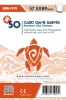
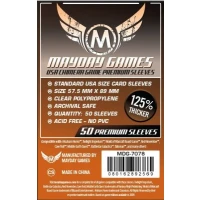
 Kartenhüllen in diesem Spiel
78 Karten mit einer Breite von 57.5mm und einer Höhe von 88.0mm
2x
(50 Stk)

2x
(50 Stk)
1x
(100 Stk)

1x
(100 Stk)

1x
(100 Stk)

1x
(110 Stk)

2x
(55 Stk)

2x
(75 Stk)

2x
(50 Stk)

2x
(75 Stk)

1x
(100 Stk)

1x
(100 Stk)

4 Karten mit einer Breite von 147.0mm und einer Höhe von 104.5mm
Für diese Kartengröße sind keine Hüllen verfügbar
 Beschreibung
Before the civilizations that we know of there was a great island, called by contemporary scientists Atlantis. It was inhabited by a civilization that had extraordinary cultural and technological achievements, especially in architecture and art.
All that wouldn’t have been possible if they hadn’t been blessed by the gods, who the Atlants honored by building glorious monuments for them. And the gods didn’t mind that they weren’t the only ones being cherished by the Atlants. Alas, the plan of the gods was not perfect. Things went awry because of the younger generation of the gods.
Specifically it was Ares, the son of Zeus and Hera, whose actions resulted in the disaster. His wickedness was endless, and the cruelty of his followers and the destruction they caused initiated civil war in the land that had only known peace. The emerged conflict divided both the Atlants and their deities. Before those events, the gods had taken pleasure in watching their folk grow, but then they started to interfere with the people’s affairs as well as fight one another. Some of the old gods had predicted that this civilization would eventually collapse due to the ever growing conflict between the deities. Conflict in which people’s lives would mean nothing.
So, they decided to protect their followers by sending numerous visions to their priests or by taking a human form and acting as prophets. They would warn Atlants that the end was nigh and tell them about distant lands that could be their only hope for survival.
Rage of the gods kept growing until one day the eldest one, Nammu, the creator of the primeval sea, in her despair decided to end the Atlants’ suffering by sinking the island. With the help of their gods some of the Atlants managed to survive. They arrived at various parts of the world, bringing their knowledge to the cultures emerging there.
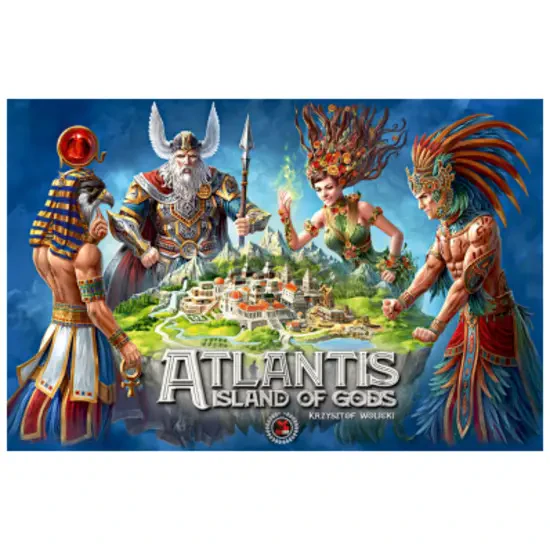
In Atlantis: Island of Gods players are the highest priests of the mythological gods, for whom they erect monuments on the mythical island of Atlantis right before its doom. It's a logical card game with four boards representing the regions of Atlantis.
Each turn, players take five actions during which they can recruit new followers of their deity, celebrate feasts in their honor, and build new temples. The goal of the game is to be the first to build all the temples of the player's deity which grants them god's favor and survival of the imminent catastrophe.
All that wouldn’t have been possible if they hadn’t been blessed by the gods, who the Atlants honored by building glorious monuments for them. And the gods didn’t mind that they weren’t the only ones being cherished by the Atlants. Alas, the plan of the gods was not perfect. Things went awry because of the younger generation of the gods.
Specifically it was Ares, the son of Zeus and Hera, whose actions resulted in the disaster. His wickedness was endless, and the cruelty of his followers and the destruction they caused initiated civil war in the land that had only known peace. The emerged conflict divided both the Atlants and their deities. Before those events, the gods had taken pleasure in watching their folk grow, but then they started to interfere with the people’s affairs as well as fight one another. Some of the old gods had predicted that this civilization would eventually collapse due to the ever growing conflict between the deities. Conflict in which people’s lives would mean nothing.
So, they decided to protect their followers by sending numerous visions to their priests or by taking a human form and acting as prophets. They would warn Atlants that the end was nigh and tell them about distant lands that could be their only hope for survival.
Rage of the gods kept growing until one day the eldest one, Nammu, the creator of the primeval sea, in her despair decided to end the Atlants’ suffering by sinking the island. With the help of their gods some of the Atlants managed to survive. They arrived at various parts of the world, bringing their knowledge to the cultures emerging there.
In Atlantis: Island of Gods players are the highest priests of the mythological gods, for whom they erect monuments on the mythical island of Atlantis right before its doom. It's a logical card game with four boards representing the regions of Atlantis.
Each turn, players take five actions during which they can recruit new followers of their deity, celebrate feasts in their honor, and build new temples. The goal of the game is to be the first to build all the temples of the player's deity which grants them god's favor and survival of the imminent catastrophe.
 Zusätzliche Informationen
| Mechanik: | Kartenerstellung Handmanagement |
| Kategorien: | Historisch Fantasie Miniaturen Historisch Themenorientiert |
| Alternative Namen: | |
| BARCODE: | ????????? |
| Dies wurde 2316 Mal gesehen | |
Bundle mit Ärmeln
- 78 Karten (57.5mmx88.0mm)
- 4 Karten (147.0mmx104.5mm)
=
23,14€
Voller Preis
21,80€
=
25,38€
Voller Preis
24,60€
=
25,38€
Voller Preis
24,60€
Beschreibung
Before the civilizations that we know of there was a great island, called by contemporary scientists Atlantis. It was inhabited by a civilization that had extraordinary cultural and technological achievements, especially in architecture and art.
All that wouldn’t have been possible if they hadn’t been blessed by the gods, who the Atlants honored by building glorious monuments for them. And the gods didn’t mind that they weren’t the only ones being cherished by the Atlants. Alas, the plan of the gods was not perfect. Things went awry because of the younger generation of the gods.
Specifically it was Ares, the son of Zeus and Hera, whose actions resulted in the disaster. His wickedness was endless, and the cruelty of his followers and the destruction they caused initiated civil war in the land that had only known peace. The emerged conflict divided both the Atlants and their deities. Before those events, the gods had taken pleasure in watching their folk grow, but then they started to interfere with the people’s affairs as well as fight one another. Some of the old gods had predicted that this civilization would eventually collapse due to the ever growing conflict between the deities. Conflict in which people’s lives would mean nothing.
So, they decided to protect their followers by sending numerous visions to their priests or by taking a human form and acting as prophets. They would warn Atlants that the end was nigh and tell them about distant lands that could be their only hope for survival.
Rage of the gods kept growing until one day the eldest one, Nammu, the creator of the primeval sea, in her despair decided to end the Atlants’ suffering by sinking the island. With the help of their gods some of the Atlants managed to survive. They arrived at various parts of the world, bringing their knowledge to the cultures emerging there.
In Atlantis: Island of Gods players are the highest priests of the mythological gods, for whom they erect monuments on the mythical island of Atlantis right before its doom. It's a logical card game with four boards representing the regions of Atlantis.
Each turn, players take five actions during which they can recruit new followers of their deity, celebrate feasts in their honor, and build new temples. The goal of the game is to be the first to build all the temples of the player's deity which grants them god's favor and survival of the imminent catastrophe.
All that wouldn’t have been possible if they hadn’t been blessed by the gods, who the Atlants honored by building glorious monuments for them. And the gods didn’t mind that they weren’t the only ones being cherished by the Atlants. Alas, the plan of the gods was not perfect. Things went awry because of the younger generation of the gods.
Specifically it was Ares, the son of Zeus and Hera, whose actions resulted in the disaster. His wickedness was endless, and the cruelty of his followers and the destruction they caused initiated civil war in the land that had only known peace. The emerged conflict divided both the Atlants and their deities. Before those events, the gods had taken pleasure in watching their folk grow, but then they started to interfere with the people’s affairs as well as fight one another. Some of the old gods had predicted that this civilization would eventually collapse due to the ever growing conflict between the deities. Conflict in which people’s lives would mean nothing.
So, they decided to protect their followers by sending numerous visions to their priests or by taking a human form and acting as prophets. They would warn Atlants that the end was nigh and tell them about distant lands that could be their only hope for survival.
Rage of the gods kept growing until one day the eldest one, Nammu, the creator of the primeval sea, in her despair decided to end the Atlants’ suffering by sinking the island. With the help of their gods some of the Atlants managed to survive. They arrived at various parts of the world, bringing their knowledge to the cultures emerging there.
In Atlantis: Island of Gods players are the highest priests of the mythological gods, for whom they erect monuments on the mythical island of Atlantis right before its doom. It's a logical card game with four boards representing the regions of Atlantis.
Each turn, players take five actions during which they can recruit new followers of their deity, celebrate feasts in their honor, and build new temples. The goal of the game is to be the first to build all the temples of the player's deity which grants them god's favor and survival of the imminent catastrophe.
Kartenhüllen in diesem Spiel
78 Karten mit einer Breite von 57.5mm und einer Höhe von 88.0mm
2x
(50 Stk)
2x
(50 Stk)
1x
(100 Stk)
1x
(100 Stk)
1x
(100 Stk)
1x
(110 Stk)
2x
(55 Stk)
2x
(75 Stk)
2x
(50 Stk)
2x
(75 Stk)
1x
(100 Stk)
1x
(100 Stk)
4 Karten mit einer Breite von 147.0mm und einer Höhe von 104.5mm
Für diese Kartengröße sind keine Hüllen verfügbar
Zusätzliche Informationen
| Mechanik: | Kartenerstellung Handmanagement |
| Kategorien: | Historisch Fantasie Miniaturen Historisch Themenorientiert |
| Alternative Namen: | |
| BARCODE: | ????????? |
| Dies wurde 2316 Mal gesehen | |

VORSICHT! Nicht für Kinder unter 3 Jahren geeignet. Es enthält Kleinteile, die verschluckt oder eingeatmet werden können.