



Language:
English

|
|
|
|
1
30'
12
Moderate in-game text
|
Phantom Leader
Publisher: Dan Verssen Games

 Do you want to sell your copy of this game?

Use our marketplace utrade!
Phantom Leader
Contact us
Share on
The item is not available, you can use the alert to be notified when it will be back in stock.
PICTURES ON BGG
These photos are the property of boardgamegeek.com and do not refer specifically to the edition on this page.


 Card sleeves in this game
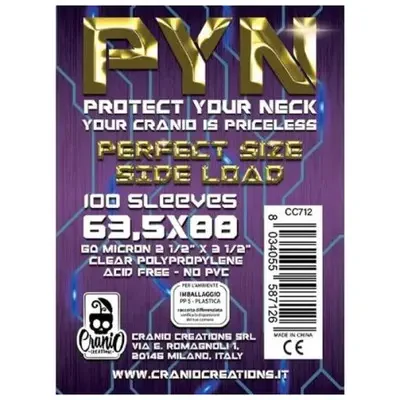
165 cards of 63.5mm width and 88.0mm of height
2x
(100 Pcs)
2x
(100 Pcs)
4x
(50 Pcs)
2x
(100 Pcs)
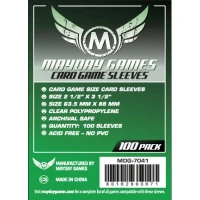
2x
(100 Pcs)
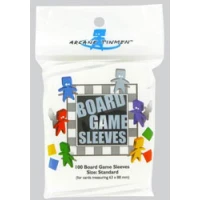
2x
(100 Pcs)
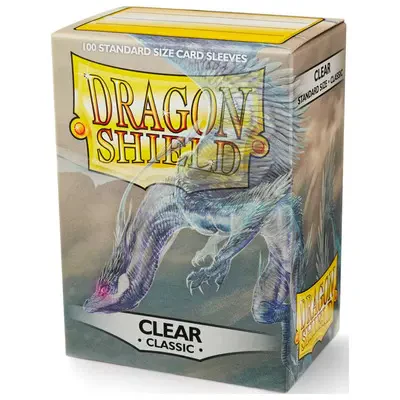
2x
(100 Pcs)
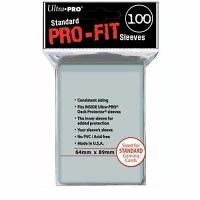
4x
(50 Pcs)
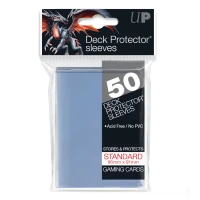
2x
(100 Pcs)
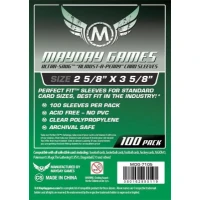
2x
(100 Pcs)
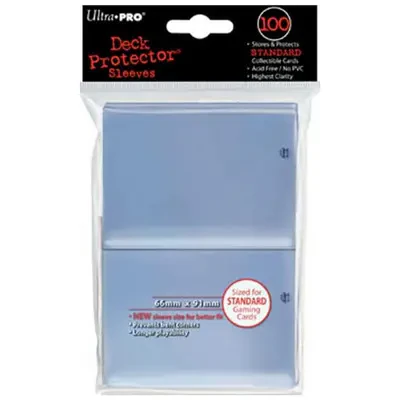
3x
(80 Pcs)
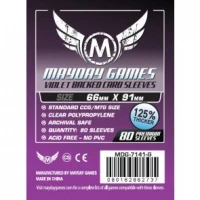
3x
(80 Pcs)
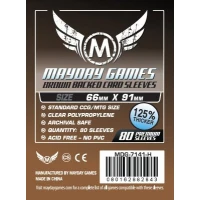
2x
(100 Pcs)
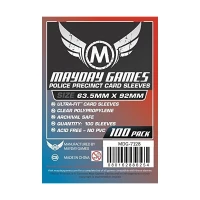
2x
(100 Pcs)
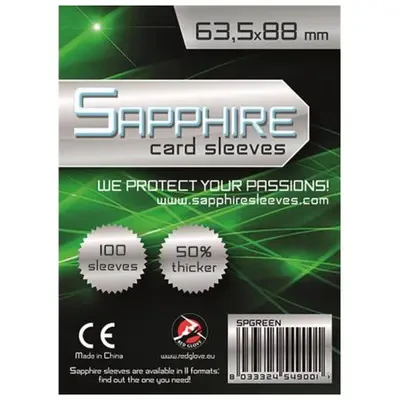
4x
(50 Pcs)
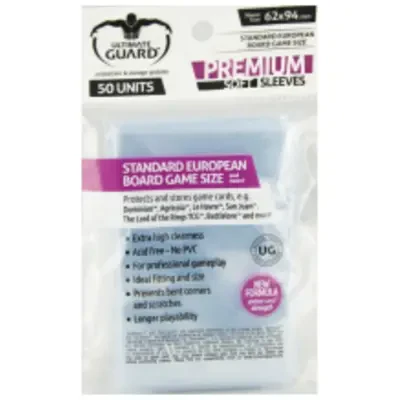
2x
(100 Pcs)
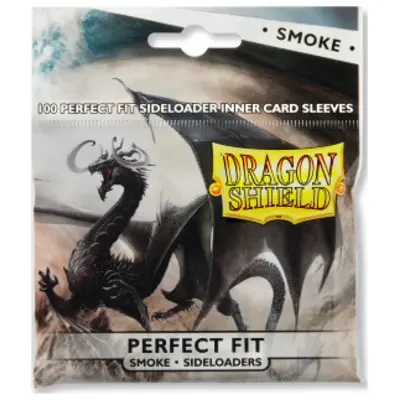
2x
(100 Pcs)
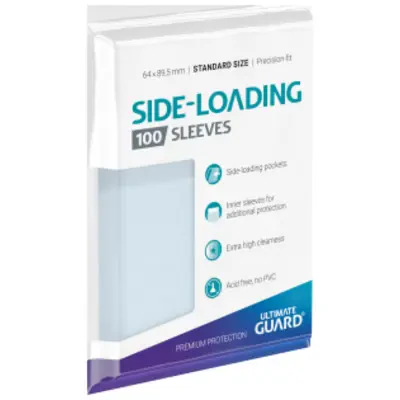
3x
(60 Pcs)
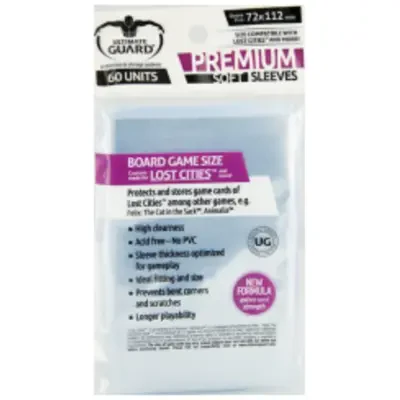
2x
(110 Pcs)
4x
(50 Pcs)
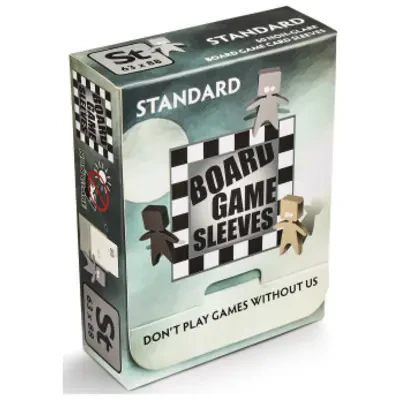
4x
(50 Pcs)

3x
(75 Pcs)
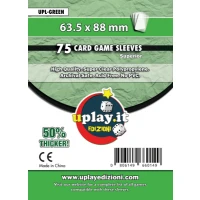
4x
(50 Pcs)
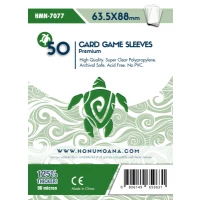
3x
(75 Pcs)
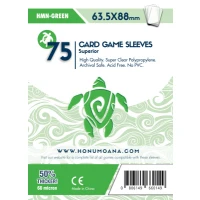
2x
(100 Pcs)
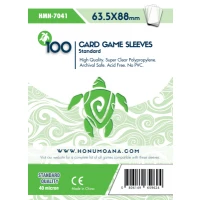
2x
(100 Pcs)

2x
(110 Pcs)
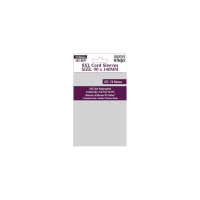
3x
(60 Pcs)
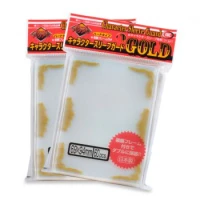
3x
(80 Pcs)
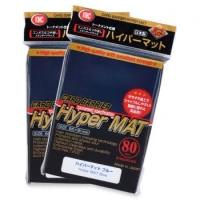
4x
(50 Pcs)
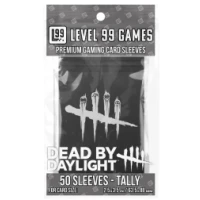
1x
(250 Pcs)
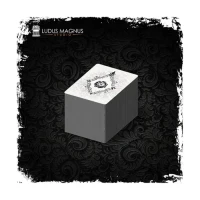
2x
(100 Pcs)

2x
(100 Pcs)

2x
(100 Pcs)

2x
(100 Pcs)

2x
(100 Pcs)
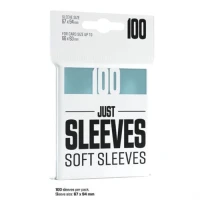
3x
(60 Pcs)
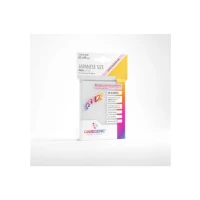
4x
(50 Pcs)

4x
(50 Pcs)
2x
(100 Pcs)
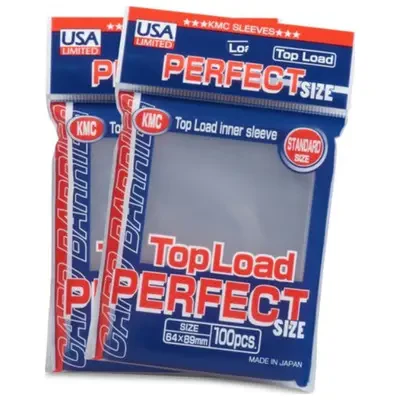
3x
(55 Pcs)
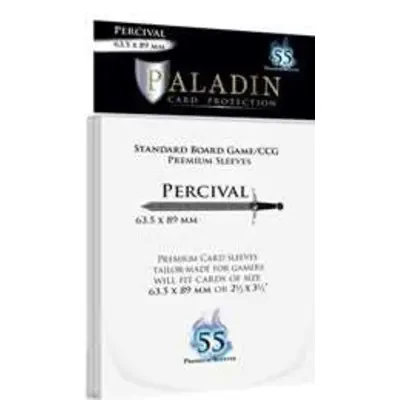
3x
(55 Pcs)
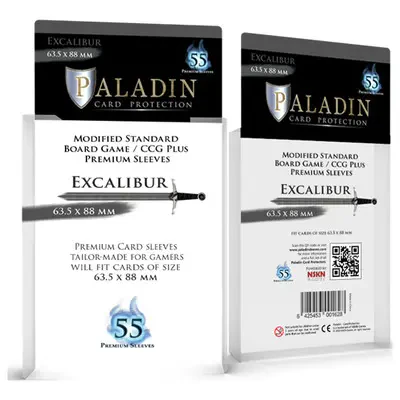
2x
(105 Pcs)

2x
(100 Pcs)

2x
(100 Pcs)

2x
(100 Pcs)
2x
(100 Pcs)

3x
(60 Pcs)
2x
(100 Pcs)
2x
(100 Pcs)
2x
(100 Pcs)
 Description
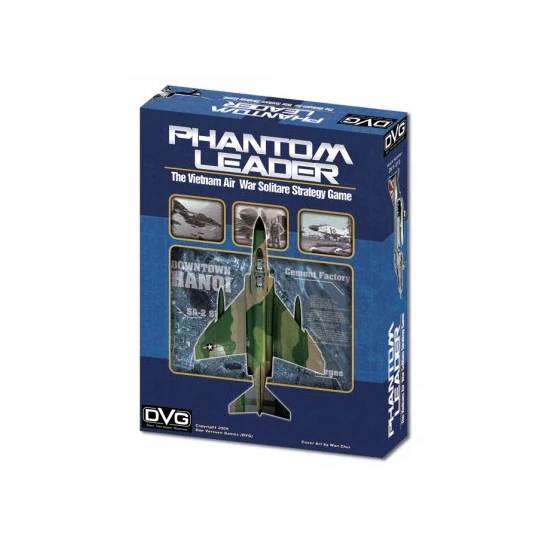
Phantom Leader places you in command of a US Air Force or US Navy Tactical Fighter squadron in Vietnam between 1964 and 1972. You must not only destroy the targets but you must also balance the delicate political repercussions of your attacks. If you strike too hard, your air offensive might be put on hold, strike too light, and you’ll be blamed for losing the war. Each of the campaigns can be played with either an Air Force or Navy squadron. The targets assigned to each service are different and change the complexion of the campaigns. Each campaign can be played with three different durations of: Skirmish, Conflict, or War. Each mission takes roughly 30 minutes to set-up, plan, and resolve. Each of your pilots has their own skills. Selecting the right pilots and weapons for a mission is vital to its success. As you fly missions, your pilots will gain experience and fatigue. With experience, their skills improve, but as their fatigue increases, their skills decrease and they might not be able to fly for several missions. Every target has a Political value. If you destroy it, you move the Political counter to the right a number of spaces equal to its value. As the counter gets moved to the right, your future target choices are reduced to those that are less politically sensitive. This means that while you might like to flatten a big enemy target and rack up the victory points, it might be better for you to choose a pointless target and move the Political counter in your favor instead. Another difference is in combat power. For the last couple decades, the US Air Force and Navy have enjoyed air superiority due to training and technology. Such was not the case in the skies over Vietnam. The enemy had different, but just as capable, equipment. They also had the training and will to use it to its utmost. They soon became aware of the limitations placed on the US forces by the politicians, and used those limitations to their advantage. For example, at times, US pilots were not permitted to fire on enemy aircraft until they were visually identified. This negated any range advantage conveyed by the radar-homing AIM-7 Sparrow missiles. It was also a common limitation that enemy aircraft could only be attacked in the air. US pilots were not allowed to attack enemy airbases. US aircraft were also limited to flying predictable flight paths, at set times. This made setting up ambushes much easier for the enemy. So, while you might be a Hornet Leader ace, Vietnam is a whole different ballgame!
 Additional information
| Mechanics: | Campaign/Battle Card Driven Card Drafting Dice Rolling |
| Categories: | War |
| Alternative names: | |
| BARCODE: | NOEAN_2754 |
| In 2 wishlists In 2 collections This was seen 8451 times | |
Description
Phantom Leader places you in command of a US Air Force or US Navy Tactical Fighter squadron in Vietnam between 1964 and 1972. You must not only destroy the targets but you must also balance the delicate political repercussions of your attacks. If you strike too hard, your air offensive might be put on hold, strike too light, and you’ll be blamed for losing the war. Each of the campaigns can be played with either an Air Force or Navy squadron. The targets assigned to each service are different and change the complexion of the campaigns. Each campaign can be played with three different durations of: Skirmish, Conflict, or War. Each mission takes roughly 30 minutes to set-up, plan, and resolve. Each of your pilots has their own skills. Selecting the right pilots and weapons for a mission is vital to its success. As you fly missions, your pilots will gain experience and fatigue. With experience, their skills improve, but as their fatigue increases, their skills decrease and they might not be able to fly for several missions. Every target has a Political value. If you destroy it, you move the Political counter to the right a number of spaces equal to its value. As the counter gets moved to the right, your future target choices are reduced to those that are less politically sensitive. This means that while you might like to flatten a big enemy target and rack up the victory points, it might be better for you to choose a pointless target and move the Political counter in your favor instead. Another difference is in combat power. For the last couple decades, the US Air Force and Navy have enjoyed air superiority due to training and technology. Such was not the case in the skies over Vietnam. The enemy had different, but just as capable, equipment. They also had the training and will to use it to its utmost. They soon became aware of the limitations placed on the US forces by the politicians, and used those limitations to their advantage. For example, at times, US pilots were not permitted to fire on enemy aircraft until they were visually identified. This negated any range advantage conveyed by the radar-homing AIM-7 Sparrow missiles. It was also a common limitation that enemy aircraft could only be attacked in the air. US pilots were not allowed to attack enemy airbases. US aircraft were also limited to flying predictable flight paths, at set times. This made setting up ambushes much easier for the enemy. So, while you might be a Hornet Leader ace, Vietnam is a whole different ballgame!
Card sleeves in this game
165 cards of 63.5mm width and 88.0mm of height
2x
(100 Pcs)
2x
(100 Pcs)
4x
(50 Pcs)
2x
(100 Pcs)
2x
(100 Pcs)
2x
(100 Pcs)
2x
(100 Pcs)
4x
(50 Pcs)
2x
(100 Pcs)
2x
(100 Pcs)
3x
(80 Pcs)
3x
(80 Pcs)
2x
(100 Pcs)
2x
(100 Pcs)
4x
(50 Pcs)
2x
(100 Pcs)
2x
(100 Pcs)
3x
(60 Pcs)
2x
(110 Pcs)
4x
(50 Pcs)
4x
(50 Pcs)
3x
(75 Pcs)
4x
(50 Pcs)
3x
(75 Pcs)
2x
(100 Pcs)
2x
(100 Pcs)
2x
(110 Pcs)
3x
(60 Pcs)
3x
(80 Pcs)
4x
(50 Pcs)
1x
(250 Pcs)
2x
(100 Pcs)
2x
(100 Pcs)
2x
(100 Pcs)
2x
(100 Pcs)
2x
(100 Pcs)
3x
(60 Pcs)
4x
(50 Pcs)
4x
(50 Pcs)
2x
(100 Pcs)
3x
(55 Pcs)
3x
(55 Pcs)
2x
(105 Pcs)
2x
(100 Pcs)
2x
(100 Pcs)
2x
(100 Pcs)
2x
(100 Pcs)
3x
(60 Pcs)
2x
(100 Pcs)
2x
(100 Pcs)
2x
(100 Pcs)
Additional information
| Mechanics: | Campaign/Battle Card Driven Card Drafting Dice Rolling |
| Categories: | War |
| Alternative names: | |
| BARCODE: | NOEAN_2754 |
| In 2 wishlists In 2 collections This was seen 8451 times | |

CAUTION! Not suitable for children under 3 years of age. It contains small parts which could be swallowed or inhaled.