




|
|
|


2-4
75'
12
No necessary in-game text
|
The Arrival
Publisher: Game's Up

 Do you want to sell your copy of this game?

Use our marketplace utrade!
The Arrival
Contact us
Share on
The item is not available, you can use the alert to be notified when it will be back in stock.
PICTURES ON BGG
These photos are the property of boardgamegeek.com and do not refer specifically to the edition on this page.


 Card sleeves in this game
63 cards of 59.0mm width and 92.0mm of height
1x
(100 Pcs)

1x
(100 Pcs)

2x
(50 Pcs)
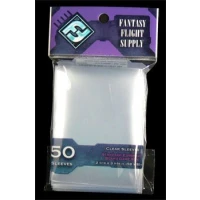
1x
(100 Pcs)

2x
(50 Pcs)

1x
(100 Pcs)
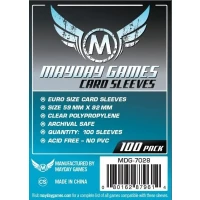
1x
(100 Pcs)
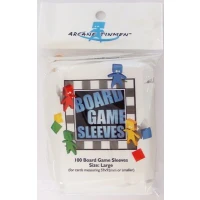
2x
(50 Pcs)
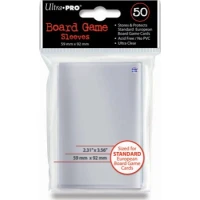
1x
(100 Pcs)

1x
(100 Pcs)
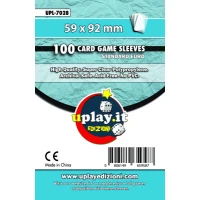
1x
(110 Pcs)
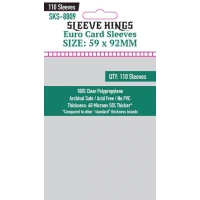
2x
(50 Pcs)
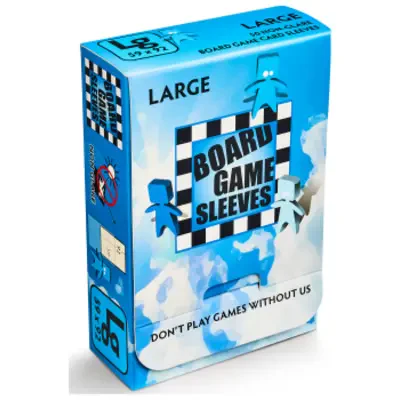
1x
(75 Pcs)

2x
(50 Pcs)
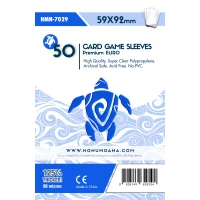
1x
(75 Pcs)
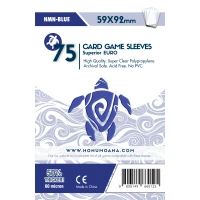
1x
(100 Pcs)

1x
(100 Pcs)

1x
(100 Pcs)

1x
(100 Pcs)

 Description
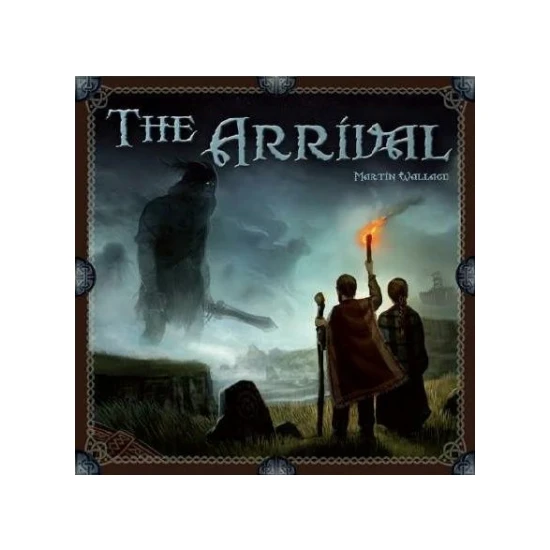
In a time long forgotten, the cruel Fomori rule over Érin, the green island. They praise their king Balor, who reigns from his fortifications in the north with an iron fist. Old paths and ruins spread over the island's face, which will be called Ireland many generations from now. But new tribes arrive at the island striving for permanent presence. Who will control Érin's fate over the next centuries to come?
Each player in The Arrival represents a tribe leader who tries to gain predominance over the mythical island of Érin while pushing back the demon-like Fomori. But the players are facing a dilemma, for spreading too quickly means becoming more and more corrupt and strengthening the Fomori in their power...
Over 4-6 rounds, the players determine their resources by means of a unique game mechanism, which will be used later on profitably. During a first phase (Earning Phase), players draw four cards, each showing three sections of different resources. Two of these sections are gradually blocked by the player, thus leaving one section. The resources shown on this section are the ones the player gets. During this phase, they have to decide which section is the best one; while the upper section of the cards offers many resources, it also results in unwanted Corruption Points. The middle and the lower sections offer fewer resources, but also less Corruption.
After that, the Action Phase takes place and the players must use their resources wisely while having the choice from different kinds of actions in order to get Fame Points.
The game ends when a certain number of rounds have been played or somebody reaches the corruption limit.
The winner is either the one with the highest amount of Fame Points or the one with the fewest Corruption Points. This depends on the scene of the board at the end: Do the tribes (players) control more locations on Érin than the Fomori do — or is it the other way around?
 Additional information
| Mechanics: | Hand Management Point to Point Movement Simultaneous Action Selection |
| Categories: | Historical Civilization Historical Exploration |
| Alternative names: | |
| BARCODE: | ????????? |
| This was seen 1200 times | |
Description
In a time long forgotten, the cruel Fomori rule over Érin, the green island. They praise their king Balor, who reigns from his fortifications in the north with an iron fist. Old paths and ruins spread over the island's face, which will be called Ireland many generations from now. But new tribes arrive at the island striving for permanent presence. Who will control Érin's fate over the next centuries to come?
Each player in The Arrival represents a tribe leader who tries to gain predominance over the mythical island of Érin while pushing back the demon-like Fomori. But the players are facing a dilemma, for spreading too quickly means becoming more and more corrupt and strengthening the Fomori in their power...
Over 4-6 rounds, the players determine their resources by means of a unique game mechanism, which will be used later on profitably. During a first phase (Earning Phase), players draw four cards, each showing three sections of different resources. Two of these sections are gradually blocked by the player, thus leaving one section. The resources shown on this section are the ones the player gets. During this phase, they have to decide which section is the best one; while the upper section of the cards offers many resources, it also results in unwanted Corruption Points. The middle and the lower sections offer fewer resources, but also less Corruption.
After that, the Action Phase takes place and the players must use their resources wisely while having the choice from different kinds of actions in order to get Fame Points.
The game ends when a certain number of rounds have been played or somebody reaches the corruption limit.
The winner is either the one with the highest amount of Fame Points or the one with the fewest Corruption Points. This depends on the scene of the board at the end: Do the tribes (players) control more locations on Érin than the Fomori do — or is it the other way around?
Card sleeves in this game
63 cards of 59.0mm width and 92.0mm of height
1x
(100 Pcs)
1x
(100 Pcs)
2x
(50 Pcs)
1x
(100 Pcs)
2x
(50 Pcs)
1x
(100 Pcs)
1x
(100 Pcs)
2x
(50 Pcs)
1x
(100 Pcs)
1x
(100 Pcs)
1x
(110 Pcs)
2x
(50 Pcs)
1x
(75 Pcs)
2x
(50 Pcs)
1x
(75 Pcs)
1x
(100 Pcs)
1x
(100 Pcs)
1x
(100 Pcs)
1x
(100 Pcs)
Additional information
| Mechanics: | Hand Management Point to Point Movement Simultaneous Action Selection |
| Categories: | Historical Civilization Historical Exploration |
| Alternative names: | |
| BARCODE: | ????????? |
| This was seen 1200 times | |

CAUTION! Not suitable for children under 3 years of age. It contains small parts which could be swallowed or inhaled.