




|
|
|


2-5
120'
12
No es necesario texto en el juego.
|
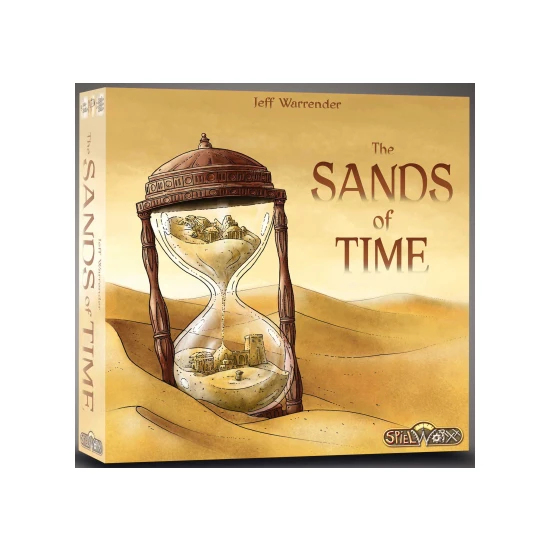
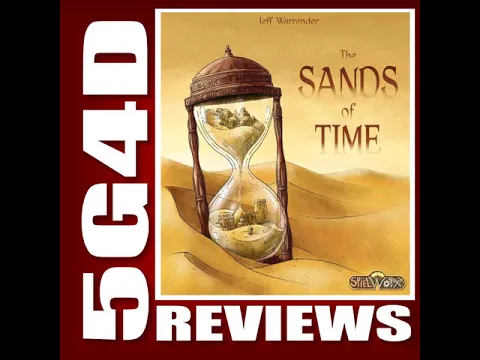
The Sands of Time
Editor: Spielworxx
 ¿Quieres vender tu copia de este juego?

¡Utilice nuestro mercado utrade!
The Sands of Time
Contáctenos
Compartir en
El artículo no está disponible, puede utilizar la alerta para recibir una notificación cuando volverá a estar disponible.
FOTOS EN BGG
Estas fotos son propiedad de boardgamegeek.com y no se refieren específicamente a la edición de esta página.


 Fundas de cartas en este juego.
130 tarjetas de 44.0mm de ancho y 68.0mm de alto
3x
(50 PC)
2x
(100 PC)

2x
(100 PC)

3x
(50 PC)

2x
(100 PC)

3x
(50 PC)

2x
(110 PC)

3x
(55 PC)

2x
(75 PC)

3x
(50 PC)

2x
(75 PC)

2x
(100 PC)

 Descripción
The sands of time sweep across the ages, burying the cities and monuments of civilizations, leaving only whispers of the glory of ancient societies.
The Sands of Time is a civilization-building game set loosely in classical antiquity, on a board inspired by a Roman-era map. Each player rules over a civilization in the ancient world, attempting exploits that will be remembered long after the civilization has withered. Each turn, players will select two action cards, which represent edicts delivered by the player to his populace, announcing what aspects of the empire he/she wishes to address: building structures, implementing advances, migrating population, initiating combat, annexing new territories, instituting reforms to manage the empire’s unrest, building trade routes, demanding tribute, and -- crucially –- recording Chronicles about his/her reign.
The central element of the game's scoring system, Chronicle cards represent claims of great accomplishments. To score a chronicle, the player must have a "heritage" level commensurate with the claim he/she is making: claims of great works will only be believed and perpetuated if the player's civilization has established a reputation in the relevant civilization category (cultural, civil, or political).
Actions generally require the payment of resources (crops or gold), and action costs correlate either to the player's empire size or the player's Unrest level. Unrest increases when a player's territories become too crowded, or when a player re-uses an action card, or when a player voluntarily presses on his populace to squeeze additional productivity out of them. Managing Unrest is a central concern for the player throughout the game.
Players must strike the right balance between competition and peaceful interaction with their neighbors, to propel their civilizations from insignificant, forgettable kingdoms into empires worthy of the attention of historians!
The Sands of Time is a civilization-building game set loosely in classical antiquity, on a board inspired by a Roman-era map. Each player rules over a civilization in the ancient world, attempting exploits that will be remembered long after the civilization has withered. Each turn, players will select two action cards, which represent edicts delivered by the player to his populace, announcing what aspects of the empire he/she wishes to address: building structures, implementing advances, migrating population, initiating combat, annexing new territories, instituting reforms to manage the empire’s unrest, building trade routes, demanding tribute, and -- crucially –- recording Chronicles about his/her reign.
The central element of the game's scoring system, Chronicle cards represent claims of great accomplishments. To score a chronicle, the player must have a "heritage" level commensurate with the claim he/she is making: claims of great works will only be believed and perpetuated if the player's civilization has established a reputation in the relevant civilization category (cultural, civil, or political).
Actions generally require the payment of resources (crops or gold), and action costs correlate either to the player's empire size or the player's Unrest level. Unrest increases when a player's territories become too crowded, or when a player re-uses an action card, or when a player voluntarily presses on his populace to squeeze additional productivity out of them. Managing Unrest is a central concern for the player throughout the game.
Players must strike the right balance between competition and peaceful interaction with their neighbors, to propel their civilizations from insignificant, forgettable kingdoms into empires worthy of the attention of historians!
 Información adicional
| mecanica: | Selección de acción simultánea |
| Categorías: | Histórico Civilización |
| Nombres alternativos: | |
| BARCODE: | ????????? |
| En 2 listas de deseos Esto fue visto 1938 veces | |
Descripción
The sands of time sweep across the ages, burying the cities and monuments of civilizations, leaving only whispers of the glory of ancient societies.
The Sands of Time is a civilization-building game set loosely in classical antiquity, on a board inspired by a Roman-era map. Each player rules over a civilization in the ancient world, attempting exploits that will be remembered long after the civilization has withered. Each turn, players will select two action cards, which represent edicts delivered by the player to his populace, announcing what aspects of the empire he/she wishes to address: building structures, implementing advances, migrating population, initiating combat, annexing new territories, instituting reforms to manage the empire’s unrest, building trade routes, demanding tribute, and -- crucially –- recording Chronicles about his/her reign.
The central element of the game's scoring system, Chronicle cards represent claims of great accomplishments. To score a chronicle, the player must have a "heritage" level commensurate with the claim he/she is making: claims of great works will only be believed and perpetuated if the player's civilization has established a reputation in the relevant civilization category (cultural, civil, or political).
Actions generally require the payment of resources (crops or gold), and action costs correlate either to the player's empire size or the player's Unrest level. Unrest increases when a player's territories become too crowded, or when a player re-uses an action card, or when a player voluntarily presses on his populace to squeeze additional productivity out of them. Managing Unrest is a central concern for the player throughout the game.
Players must strike the right balance between competition and peaceful interaction with their neighbors, to propel their civilizations from insignificant, forgettable kingdoms into empires worthy of the attention of historians!
The Sands of Time is a civilization-building game set loosely in classical antiquity, on a board inspired by a Roman-era map. Each player rules over a civilization in the ancient world, attempting exploits that will be remembered long after the civilization has withered. Each turn, players will select two action cards, which represent edicts delivered by the player to his populace, announcing what aspects of the empire he/she wishes to address: building structures, implementing advances, migrating population, initiating combat, annexing new territories, instituting reforms to manage the empire’s unrest, building trade routes, demanding tribute, and -- crucially –- recording Chronicles about his/her reign.
The central element of the game's scoring system, Chronicle cards represent claims of great accomplishments. To score a chronicle, the player must have a "heritage" level commensurate with the claim he/she is making: claims of great works will only be believed and perpetuated if the player's civilization has established a reputation in the relevant civilization category (cultural, civil, or political).
Actions generally require the payment of resources (crops or gold), and action costs correlate either to the player's empire size or the player's Unrest level. Unrest increases when a player's territories become too crowded, or when a player re-uses an action card, or when a player voluntarily presses on his populace to squeeze additional productivity out of them. Managing Unrest is a central concern for the player throughout the game.
Players must strike the right balance between competition and peaceful interaction with their neighbors, to propel their civilizations from insignificant, forgettable kingdoms into empires worthy of the attention of historians!
Fundas de cartas en este juego.
130 tarjetas de 44.0mm de ancho y 68.0mm de alto
3x
(50 PC)
2x
(100 PC)
2x
(100 PC)
3x
(50 PC)
2x
(100 PC)
3x
(50 PC)
2x
(110 PC)
3x
(55 PC)
2x
(75 PC)
3x
(50 PC)
2x
(75 PC)
2x
(100 PC)
Información adicional
| mecanica: | Selección de acción simultánea |
| Categorías: | Histórico Civilización |
| Nombres alternativos: | |
| BARCODE: | ????????? |
| En 2 listas de deseos Esto fue visto 1938 veces | |

¡PRECAUCIÓN! No apto para niños menores de 3 años. Contiene piezas pequeñas que podrían tragarse o inhalarse.