





|
|
|

|
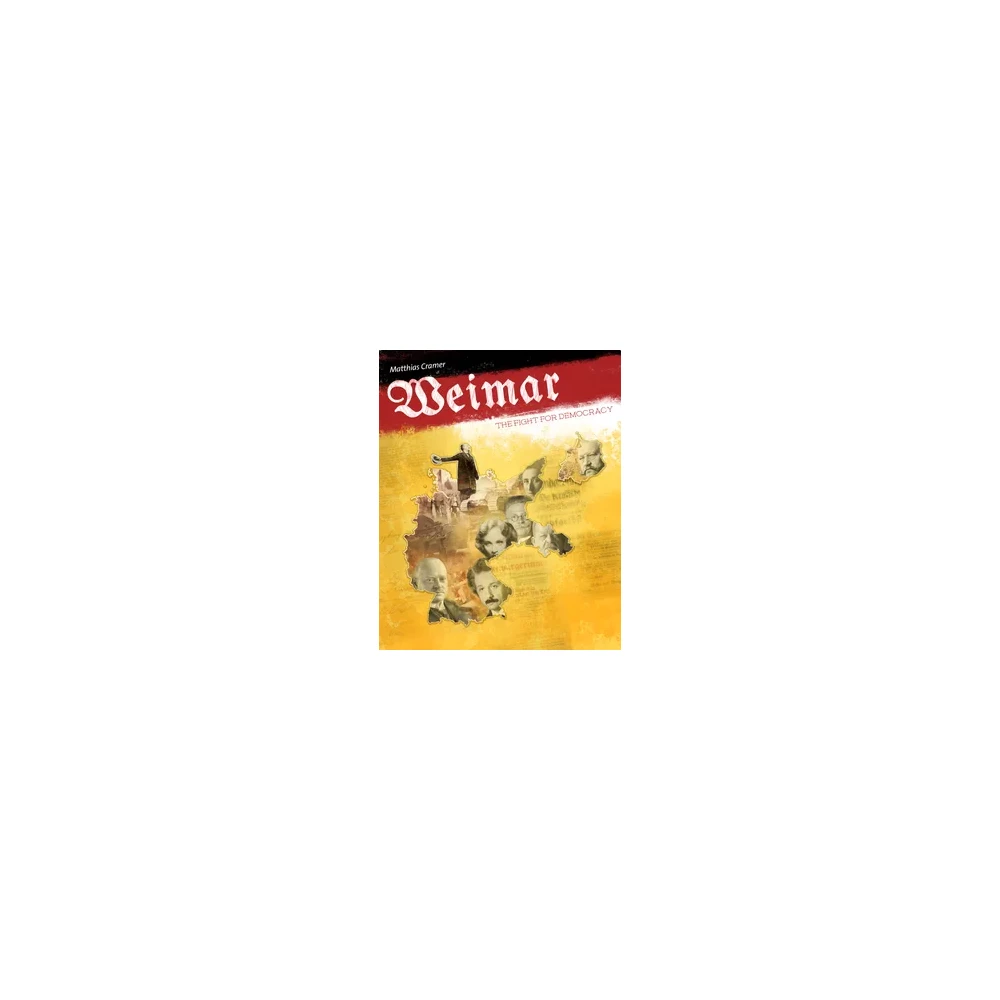
Weimar The Fight For Democracy
 ¿Quieres vender tu copia de este juego?

 Actualmente agotado. Se puede pedir.
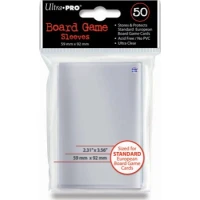
 Paquete con mangas
- 183 tarjetas (59.0mmx91.0mm)



 Fundas de cartas en este juego.












 Descripción
El 9 de noviembre de 1918, el aire frío del otoño en Berlín está lleno de tensión. Los trabajadores están planeando una huelga y, dado que la ciudad está llena de tropas, no saben si sobrevivirán ese día. Tres horas después, la monarquía alemana ya no existe y nace la primera democracia alemana.
Weimar: The Fight for Democracy es un juego sobre los principales actores en el espectro de la nueva República. Los socialdemócratas y los conservadores intentan defender la democracia. Los comunistas y los nacionalistas buscan derrocar al gobierno e instalar su propio régimen. ¿Sobrevivirá esta joven República? ¿O Alemania —como en la historia— caerá en manos de los nazis y se convertirá en un estado sin ley? ¿O habrá una Unión de Repúblicas Socialistas Alemanas?
Weimar incluye dos "campos de batalla" principales: En la opinión pública, los partidos luchan por influir en las importantes cuestiones políticas como la economía, los medios de comunicación o los asuntos exteriores. Ganar estas cuestiones otorga puntos y les permite tomar decisiones significativas. Al mismo tiempo, los partidos intentan controlar las calles y posicionar a sus seguidores en las principales ciudades de Alemania para manifestaciones, peleas callejeras y acciones llevadas a cabo por organizaciones paramilitares.
Weimar es un juego tenso y emocionante basado en cartas (CDG) sobre un tema muy interesante. Las cartas pueden jugarse para el evento, para la opinión pública o para acciones en la calle.
En cada uno de los seis turnos de juego, los partidos juegan una agenda que define su estrategia para el turno (por ejemplo, modificar su mazo de doce cartas, definir cuestiones, obtener ventajas en las calles). Los objetivos de los partidos son asimétricos y contradictorios. Mientras que los partidos democráticos puntúan por estabilizar el estado y eliminar la pobreza, los partidos no democráticos puntúan por golpes de estado y disturbios.
 Información adicional
| mecanica: | |
| Categorías: | |
| Nombres alternativos: | |
| BARCODE: | 741049185531 |
| El artículo está en 2 carritos En 1 lista de deseos Esto fue visto 410 veces | |
Paquete con mangas
- 183 tarjetas (59.0mmx91.0mm)
Descripción
El 9 de noviembre de 1918, el aire frío del otoño en Berlín está lleno de tensión. Los trabajadores están planeando una huelga y, dado que la ciudad está llena de tropas, no saben si sobrevivirán ese día. Tres horas después, la monarquía alemana ya no existe y nace la primera democracia alemana.
Weimar: The Fight for Democracy es un juego sobre los principales actores en el espectro de la nueva República. Los socialdemócratas y los conservadores intentan defender la democracia. Los comunistas y los nacionalistas buscan derrocar al gobierno e instalar su propio régimen. ¿Sobrevivirá esta joven República? ¿O Alemania —como en la historia— caerá en manos de los nazis y se convertirá en un estado sin ley? ¿O habrá una Unión de Repúblicas Socialistas Alemanas?
Weimar incluye dos "campos de batalla" principales: En la opinión pública, los partidos luchan por influir en las importantes cuestiones políticas como la economía, los medios de comunicación o los asuntos exteriores. Ganar estas cuestiones otorga puntos y les permite tomar decisiones significativas. Al mismo tiempo, los partidos intentan controlar las calles y posicionar a sus seguidores en las principales ciudades de Alemania para manifestaciones, peleas callejeras y acciones llevadas a cabo por organizaciones paramilitares.
Weimar es un juego tenso y emocionante basado en cartas (CDG) sobre un tema muy interesante. Las cartas pueden jugarse para el evento, para la opinión pública o para acciones en la calle.
En cada uno de los seis turnos de juego, los partidos juegan una agenda que define su estrategia para el turno (por ejemplo, modificar su mazo de doce cartas, definir cuestiones, obtener ventajas en las calles). Los objetivos de los partidos son asimétricos y contradictorios. Mientras que los partidos democráticos puntúan por estabilizar el estado y eliminar la pobreza, los partidos no democráticos puntúan por golpes de estado y disturbios.
Fundas de cartas en este juego.
Información adicional
| mecanica: | |
| Categorías: | |
| Nombres alternativos: | |
| BARCODE: | 741049185531 |
| El artículo está en 2 carritos En 1 lista de deseos Esto fue visto 410 veces | |

¡PRECAUCIÓN! No apto para niños menores de 3 años. Contiene piezas pequeñas que podrían tragarse o inhalarse.