




|
|
|


2-4
100'
12
Indipendente dalla lingua
|
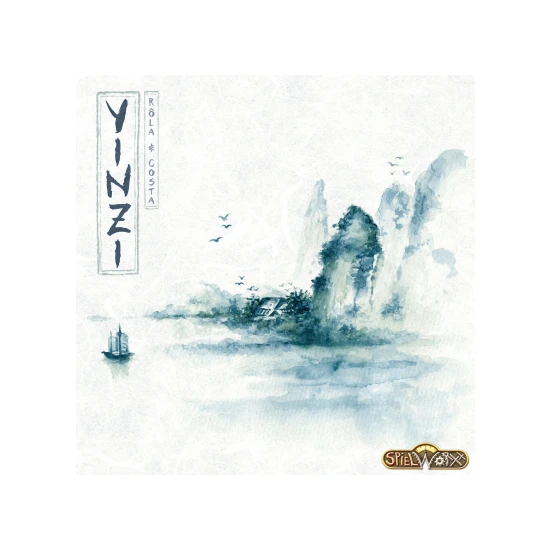
Yínzi: The Shining Ming Dynasty
Editore: Spielworxx

 Vuoi vendere la tua copia di questo gioco?

Usa il nostro marketplace utrade!
Yínzi: The Shining Ming Dynasty
Contattaci
Condividi su
L'articolo non è disponibile, puoi utilizzare il nostro sistema di notifica per sapere quando sarà nuovamente ordinabile.
IMMAGINI SU BGG
Queste foto sono di proprietà di boardgamegeek.com e non si riferiscono specificatamente all'edizione di questa pagina.


 Bustine per le carte in questo gioco
48 carte: 44.0mm di larghezza e 68.0mm di altezza (44.0x68.0)
1x
(50 Pz)
1x
(100 Pz)
1x
(100 Pz)

1x
(50 Pz)

1x
(100 Pz)
1x
(50 Pz)

1x
(110 Pz)
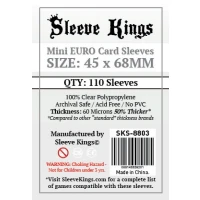
1x
(55 Pz)

1x
(75 Pz)

1x
(50 Pz)
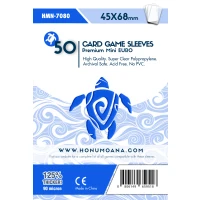
1x
(75 Pz)

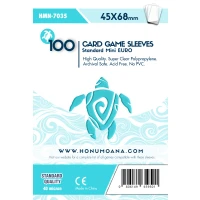
1x
(100 Pz)
 Descrizione
China experienced the greatest economic expansion in its history during the Ming dynasty (1368–1644). The silver trade between the Americas and Europe and onward to China had a profound effect on the world economy – it may be considered the beginning of a global economy.
In China, social mobility led to the growing of cities, especially in the lower Yangtze area, which was at that time responsible for the main production of wheat for the whole country. In addition to wheat and rice, other crops like tea, fruits, and sugarcane were grown on a large scale. Immigrating peasants changed their profession to become merchants and artisans. Many people from the countryside were employed in private or state run factories, producing commodities like paper, porcelain, refined sugar, or silk textiles.
Trade and commerce thrived in this liberalized economy and was aided by the construction of canals, roads, and bridges by the Ming government. Ming China saw the rise of several merchant clans, who owned large amounts of wealth.
In Yínzi: The Shining Ming Dynasty — "yínzi" meaning "silver" — the players represent merchant clans developing parts of China in the late Ming period in the early 17th century along the last 200 km of the Yangtze river before it reaches the China Sea.
The players plant crops, sell goods to the rural or urban markets, develop raw materials, build and upgrade factories, and sell their goods to ships already waiting in the port. In order to reach the port, the players need to improve their river transport capabilities along the Yangtze.
 Ulteriori Informazioni
| Meccaniche: | Gestione mano di carte Prelievo e consegna Posizionamento lavoratori |
| Categorie: | Commercio/Economia Agricoltura Industria/Manifattura Trasporti |
| Nomi alternativi: | Yinzi 白銀王朝 |
| BARCODE: | ????????? |
| In 1 wishlist È stato visto 1403 volte | |
Descrizione
China experienced the greatest economic expansion in its history during the Ming dynasty (1368–1644). The silver trade between the Americas and Europe and onward to China had a profound effect on the world economy – it may be considered the beginning of a global economy.
In China, social mobility led to the growing of cities, especially in the lower Yangtze area, which was at that time responsible for the main production of wheat for the whole country. In addition to wheat and rice, other crops like tea, fruits, and sugarcane were grown on a large scale. Immigrating peasants changed their profession to become merchants and artisans. Many people from the countryside were employed in private or state run factories, producing commodities like paper, porcelain, refined sugar, or silk textiles.
Trade and commerce thrived in this liberalized economy and was aided by the construction of canals, roads, and bridges by the Ming government. Ming China saw the rise of several merchant clans, who owned large amounts of wealth.
In Yínzi: The Shining Ming Dynasty — "yínzi" meaning "silver" — the players represent merchant clans developing parts of China in the late Ming period in the early 17th century along the last 200 km of the Yangtze river before it reaches the China Sea.
The players plant crops, sell goods to the rural or urban markets, develop raw materials, build and upgrade factories, and sell their goods to ships already waiting in the port. In order to reach the port, the players need to improve their river transport capabilities along the Yangtze.
Bustine per le carte in questo gioco
48 carte: 44.0mm di larghezza e 68.0mm di altezza (44.0x68.0)
1x
(50 Pz)
1x
(100 Pz)
1x
(100 Pz)
1x
(50 Pz)
1x
(100 Pz)
1x
(50 Pz)
1x
(110 Pz)
1x
(55 Pz)
1x
(75 Pz)
1x
(50 Pz)
1x
(75 Pz)
1x
(100 Pz)
Ulteriori Informazioni
| Meccaniche: | Gestione mano di carte Prelievo e consegna Posizionamento lavoratori |
| Categorie: | Commercio/Economia Agricoltura Industria/Manifattura Trasporti |
| Nomi alternativi: | Yinzi 白銀王朝 |
| BARCODE: | ????????? |
| In 1 wishlist È stato visto 1403 volte | |

ATTENZIONE! Non adatto ai bambini al di sotto dei 3 anni di età. Contiene piccole parti che potrebbero essere ingerite o inalate.