



|
|
|

2-4
45'
10
Aucun texte nécessaire dans le jeu
|
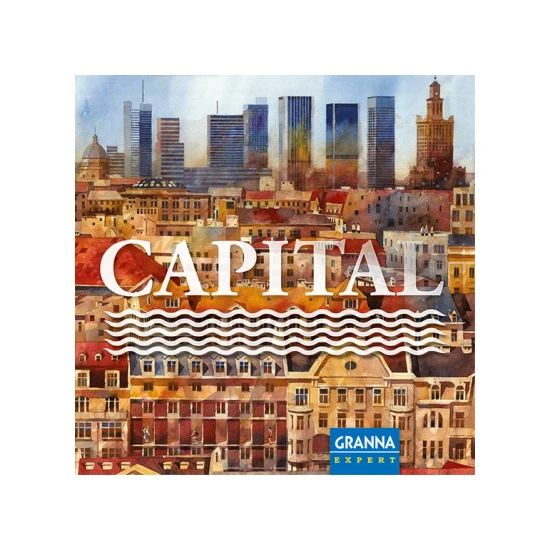
Capital
Éditeur: Granna
 Voulez-vous vendre votre copie de ce jeu ?

Utilisez notre marché utrade !
Capital
Contactez-nous
Partager sur
L'article n'est pas disponible, vous pouvez utiliser l'alerte pour être averti lorsqu'il sera de nouveau en stock.
PHOTOS SUR BGG
Ces photos sont la propriété de boardgamegeek.com et ne font pas spécifiquement référence à l'édition présentée sur cette page.


 Descriptif
Warsaw est une ville unique. On dit qu'elle "a survécu à sa propre mort", et il y a une part de vérité là-dedans. La capitale de la Pologne a été largement détruite pendant la Seconde Guerre mondiale, et sa reconstruction a été un processus de développement urbain exceptionnel. Varsovie est une combinaison de bâtiments élégants de l'époque saxonne, d'architecture entre les deux guerres, de blocs socialistes et de bâtiments modernes. En se promenant dans les rues du quartier de Wola à Varsovie, on peut voir cette diversité d'un coup d'œil. Des bureaux modernes en verre se dressent à côté de garages automobiles d'avant-guerre, et des bâtiments en béton touchent des maisons anciennes élégantes, qui montrent les signes de la décadence du temps. Certains appellent cela un désordre spatial, tandis que d'autres y voient la détermination des habitants. Les deux points de vue sont justes, car c'est ainsi que Varsovie est. Peut-être pas la plus belle, mais forte et déterminée. Rien ne reflète mieux le caractère de la ville que ses bâtiments diversifiés.
But du jeu :
Les joueurs construisent ensemble Varsovie pendant 6 époques, depuis que Varsovie est devenue la capitale à la fin du 16ème siècle, jusqu'à nos jours. Chaque joueur crée son propre quartier de la ville. À la fin de chacune des six époques, les quartiers rapportent des revenus et des points de victoire à leurs propriétaires. Après 6 tours, celui qui a le plus de points gagne.
Séquence de jeu :
Le jeu se compose de 6 époques. De plus, il y a des guerres à la fin des 3ème et 4ème époques. Chaque époque se compose d'une phase de construction et d'une phase de revenus.
Phase de construction :
Les joueurs mélangent les tuiles de la ville avec le numéro de l'époque actuelle, puis distribuent plusieurs tuiles à chaque joueur. Chaque joueur choisit l'une des tuiles, puis la place face cachée sur la table. Tous les joueurs révèlent simultanément leurs tuiles sélectionnées, et chaque joueur choisit l'une des deux actions possibles :
Jeter sa tuile dans la boîte et prendre 3 pièces de la banque.
Payer le coût de la tuile en pièces et construire la tuile dans son quartier.
Au lieu de placer une tuile sur un espace vide, un joueur peut choisir de construire sur une tuile existante. Il suffit de placer la nouvelle tuile directement sur une tuile existante, la couvrant complètement. En conséquence, le prix de la nouvelle tuile est réduit par le prix de la tuile plus ancienne qu'elle couvre. Le quartier d'un joueur ne peut jamais être plus grand qu'un rectangle de 3×4 ou 4×3 tuiles. Chaque tuile de la ville est divisée en 4 quartiers. Chaque quartier a son propre type de bâtiment, donc une tuile peut avoir de 1 à 4 types de bâtiments différents. Les bâtiments publics et les jalons sont toujours des zones individuelles séparées, même s'ils sont adjacents les uns aux autres. Ils occupent également une tuile entière.
Phase de revenus :
Pendant la phase de revenus, des jalons sont placés, et les joueurs reçoivent des pièces et des points de victoire. Le jeu se termine après 6 époques. Le joueur qui a le plus de points est le gagnant.
 Informations supplémentaires
| Mécanique: | Rédaction de cartes Sélection d'action simultanée Placement des tuiles |
| Catégories: | Bâtiment de la ville Économique |
| Noms alternatifs: | Capital Warsaw: City of Ruins 首都華沙 Capital |
| BARCODE: | 5900221112849 |
| Dans 8 listes de souhaits Cela a été vu 14837 fois | |
Descriptif
Warsaw est une ville unique. On dit qu'elle "a survécu à sa propre mort", et il y a une part de vérité là-dedans. La capitale de la Pologne a été largement détruite pendant la Seconde Guerre mondiale, et sa reconstruction a été un processus de développement urbain exceptionnel. Varsovie est une combinaison de bâtiments élégants de l'époque saxonne, d'architecture entre les deux guerres, de blocs socialistes et de bâtiments modernes. En se promenant dans les rues du quartier de Wola à Varsovie, on peut voir cette diversité d'un coup d'œil. Des bureaux modernes en verre se dressent à côté de garages automobiles d'avant-guerre, et des bâtiments en béton touchent des maisons anciennes élégantes, qui montrent les signes de la décadence du temps. Certains appellent cela un désordre spatial, tandis que d'autres y voient la détermination des habitants. Les deux points de vue sont justes, car c'est ainsi que Varsovie est. Peut-être pas la plus belle, mais forte et déterminée. Rien ne reflète mieux le caractère de la ville que ses bâtiments diversifiés.
But du jeu :
Les joueurs construisent ensemble Varsovie pendant 6 époques, depuis que Varsovie est devenue la capitale à la fin du 16ème siècle, jusqu'à nos jours. Chaque joueur crée son propre quartier de la ville. À la fin de chacune des six époques, les quartiers rapportent des revenus et des points de victoire à leurs propriétaires. Après 6 tours, celui qui a le plus de points gagne.
Séquence de jeu :
Le jeu se compose de 6 époques. De plus, il y a des guerres à la fin des 3ème et 4ème époques. Chaque époque se compose d'une phase de construction et d'une phase de revenus.
Phase de construction :
Les joueurs mélangent les tuiles de la ville avec le numéro de l'époque actuelle, puis distribuent plusieurs tuiles à chaque joueur. Chaque joueur choisit l'une des tuiles, puis la place face cachée sur la table. Tous les joueurs révèlent simultanément leurs tuiles sélectionnées, et chaque joueur choisit l'une des deux actions possibles :
Jeter sa tuile dans la boîte et prendre 3 pièces de la banque.
Payer le coût de la tuile en pièces et construire la tuile dans son quartier.
Au lieu de placer une tuile sur un espace vide, un joueur peut choisir de construire sur une tuile existante. Il suffit de placer la nouvelle tuile directement sur une tuile existante, la couvrant complètement. En conséquence, le prix de la nouvelle tuile est réduit par le prix de la tuile plus ancienne qu'elle couvre. Le quartier d'un joueur ne peut jamais être plus grand qu'un rectangle de 3×4 ou 4×3 tuiles. Chaque tuile de la ville est divisée en 4 quartiers. Chaque quartier a son propre type de bâtiment, donc une tuile peut avoir de 1 à 4 types de bâtiments différents. Les bâtiments publics et les jalons sont toujours des zones individuelles séparées, même s'ils sont adjacents les uns aux autres. Ils occupent également une tuile entière.
Phase de revenus :
Pendant la phase de revenus, des jalons sont placés, et les joueurs reçoivent des pièces et des points de victoire. Le jeu se termine après 6 époques. Le joueur qui a le plus de points est le gagnant.
Informations supplémentaires
| Mécanique: | Rédaction de cartes Sélection d'action simultanée Placement des tuiles |
| Catégories: | Bâtiment de la ville Économique |
| Noms alternatifs: | Capital Warsaw: City of Ruins 首都華沙 Capital |
| BARCODE: | 5900221112849 |
| Dans 8 listes de souhaits Cela a été vu 14837 fois | |
 Fréquemment achetés ensemble

ATTENTION ! Ne convient pas aux enfants de moins de 3 ans. Il contient de petites pièces qui pourraient être avalées ou inhalées.