



Langue:
Anglais

|
|
|
|
2-4
40'
10
Aucun texte nécessaire dans le jeu
|
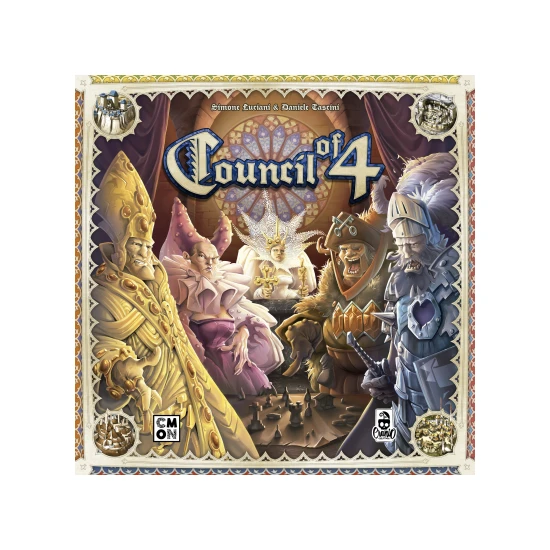
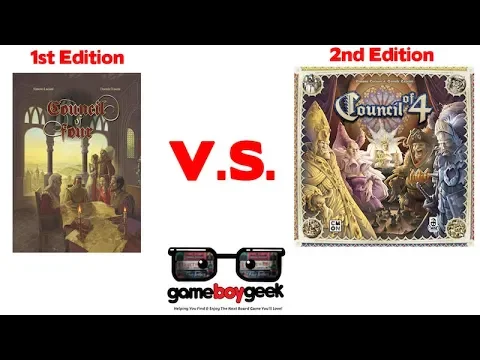
Council of 4
Éditeur: CMON Limited
 Voulez-vous vendre votre copie de ce jeu ?

Utilisez notre marché utrade !
Council of 4
Contactez-nous
Partager sur
L'article n'est pas disponible, vous pouvez utiliser l'alerte pour être averti lorsqu'il sera de nouveau en stock.
PHOTOS SUR BGG
Ces photos sont la propriété de boardgamegeek.com et ne font pas spécifiquement référence à l'édition présentée sur cette page.


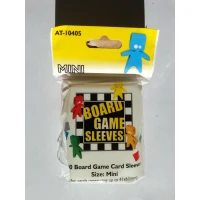
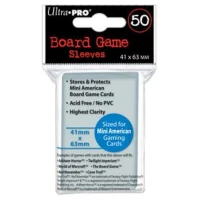
 Pochettes de cartes dans ce jeu
90 cartes de 41.0mm de largeur et 63.0mm de hauteur
2x
(50 Pièces)

2x
(50 Pièces)

1x
(100 Pièces)

1x
(100 Pièces)

1x
(100 Pièces)
2x
(50 Pièces)
1x
(100 Pièces)

1x
(100 Pièces)

2x
(50 Pièces)
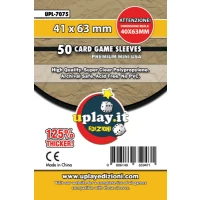
1x
(100 Pièces)
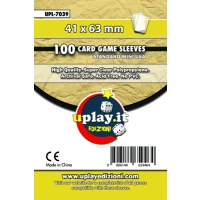
1x
(100 Pièces)
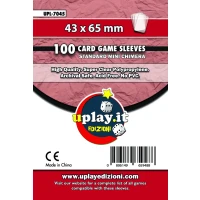
2x
(50 Pièces)
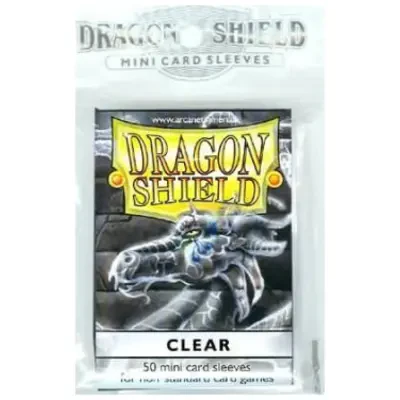
2x
(50 Pièces)

1x
(110 Pièces)
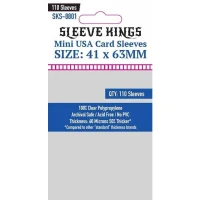
1x
(110 Pièces)

2x
(55 Pièces)

2x
(55 Pièces)

2x
(50 Pièces)
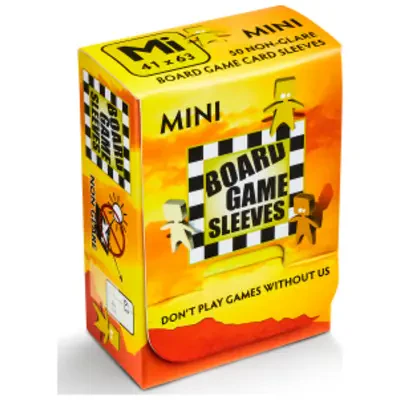
2x
(75 Pièces)
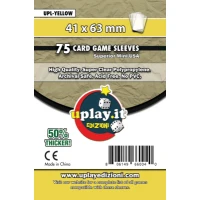
2x
(50 Pièces)
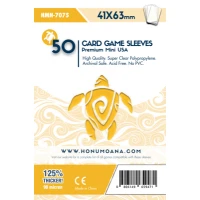
2x
(75 Pièces)

1x
(100 Pièces)
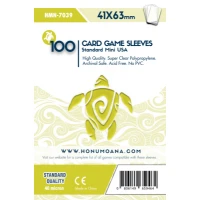
2x
(50 Pièces)

2x
(50 Pièces)

1x
(110 Pièces)

1x
(250 Pièces)
1x
(100 Pièces)
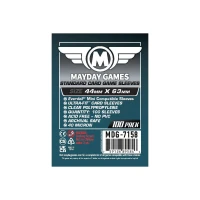
2x
(50 Pièces)
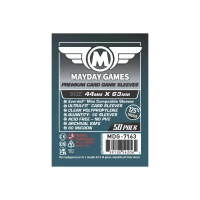
 Descriptif
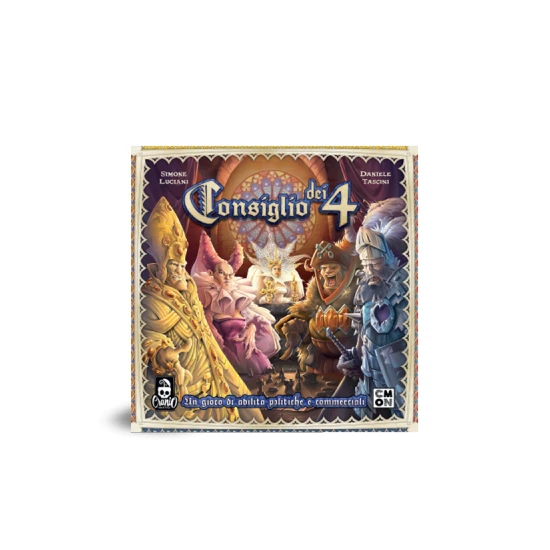
L'Empire, formé par trois royaumes, connaît une période de richesse et de prospérité. Chaque royaume est gouverné par un conseil de quatre nobles. Les membres de six familles influentes siègent autour des conseils et dirigent les royaumes. Les joueurs incarnent des riches marchands qui cherchent à obtenir des permis pour construire leur propre Emporium dans les villes des trois royaumes. Celui qui obtient le plus de permis, tout en plaçant son Emporium aux meilleurs endroits, sera le marchand le plus célèbre et gagnera la partie. Mais attention à l'Empereur ! Il peut permettre de construire sans permis ! Lors d'un tour dans le Consiglio dei Quattro ("Council of Four"), un joueur peut effectuer différentes actions : L'action principale est de corrompre un conseil, représenté par un plateau avec quatre pions nobles. En corrompant les conseillers des trois royaumes, le joueur obtient des cartes de permis qui offrent divers avantages instantanés et de fin de partie, ainsi que la possibilité de construire un Emporium dans une ville spécifique. Une autre action consiste à jouer une carte de permission pour construire un Emporium. Chaque emporium rapporte au joueur les avantages spéciaux de l'espace où il est construit, mais active également tous les emporiums connectés, avec un effet en chaîne. Corrompre le conseil de l'Empereur permet à un joueur de construire des Emporiums sans cartes de permission. Les joueurs peuvent changer la composition d'un conseil. Il existe de nombreuses façons de gagner des points : Construire un Emporium connecté dans les villes qui rapportent des points. Construire votre emporium dans toutes les villes d'une zone du plateau : plus vous complétez rapidement la zone, plus vous gagnez de points. Monter sur la piste de la noblesse Obtenir des permis qui rapportent des points. Le plateau est modulaire et a huit combinaisons possibles.
 Informations supplémentaires
| Mécanique: | Gestion des mains Tableau modulaire Mouvement point à point Création d'itinéraires/réseaux |
| Catégories: | Économique |
| Noms alternatifs: | Consiglio dei Quattro Council of Four Das Konzil der Vier Consiglio dei 4 Consiglio dei Quattro Council of 4 Council of Four Das Konzil der Vier |
| BARCODE: | 889696006806 |
| L'article se trouve dans le panier 1 Dans 2 listes de souhaits Cela a été vu 5358 fois | |
Descriptif
L'Empire, formé par trois royaumes, connaît une période de richesse et de prospérité. Chaque royaume est gouverné par un conseil de quatre nobles. Les membres de six familles influentes siègent autour des conseils et dirigent les royaumes. Les joueurs incarnent des riches marchands qui cherchent à obtenir des permis pour construire leur propre Emporium dans les villes des trois royaumes. Celui qui obtient le plus de permis, tout en plaçant son Emporium aux meilleurs endroits, sera le marchand le plus célèbre et gagnera la partie. Mais attention à l'Empereur ! Il peut permettre de construire sans permis ! Lors d'un tour dans le Consiglio dei Quattro ("Council of Four"), un joueur peut effectuer différentes actions : L'action principale est de corrompre un conseil, représenté par un plateau avec quatre pions nobles. En corrompant les conseillers des trois royaumes, le joueur obtient des cartes de permis qui offrent divers avantages instantanés et de fin de partie, ainsi que la possibilité de construire un Emporium dans une ville spécifique. Une autre action consiste à jouer une carte de permission pour construire un Emporium. Chaque emporium rapporte au joueur les avantages spéciaux de l'espace où il est construit, mais active également tous les emporiums connectés, avec un effet en chaîne. Corrompre le conseil de l'Empereur permet à un joueur de construire des Emporiums sans cartes de permission. Les joueurs peuvent changer la composition d'un conseil. Il existe de nombreuses façons de gagner des points : Construire un Emporium connecté dans les villes qui rapportent des points. Construire votre emporium dans toutes les villes d'une zone du plateau : plus vous complétez rapidement la zone, plus vous gagnez de points. Monter sur la piste de la noblesse Obtenir des permis qui rapportent des points. Le plateau est modulaire et a huit combinaisons possibles.
Pochettes de cartes dans ce jeu
90 cartes de 41.0mm de largeur et 63.0mm de hauteur
2x
(50 Pièces)
2x
(50 Pièces)
1x
(100 Pièces)
1x
(100 Pièces)
1x
(100 Pièces)
2x
(50 Pièces)
1x
(100 Pièces)
1x
(100 Pièces)
2x
(50 Pièces)
1x
(100 Pièces)
1x
(100 Pièces)
2x
(50 Pièces)
2x
(50 Pièces)
1x
(110 Pièces)
1x
(110 Pièces)
2x
(55 Pièces)
2x
(55 Pièces)
2x
(50 Pièces)
2x
(75 Pièces)
2x
(50 Pièces)
2x
(75 Pièces)
1x
(100 Pièces)
2x
(50 Pièces)
2x
(50 Pièces)
1x
(110 Pièces)
1x
(250 Pièces)
1x
(100 Pièces)
2x
(50 Pièces)
Informations supplémentaires
| Mécanique: | Gestion des mains Tableau modulaire Mouvement point à point Création d'itinéraires/réseaux |
| Catégories: | Économique |
| Noms alternatifs: | Consiglio dei Quattro Council of Four Das Konzil der Vier Consiglio dei 4 Consiglio dei Quattro Council of 4 Council of Four Das Konzil der Vier |
| BARCODE: | 889696006806 |
| L'article se trouve dans le panier 1 Dans 2 listes de souhaits Cela a été vu 5358 fois | |



ATTENTION ! Ne convient pas aux enfants de moins de 3 ans. Il contient de petites pièces qui pourraient être avalées ou inhalées.