





|
|
|

2-5
120'
11
Niezależny od języka
|
South China Sea
Wydawca: Compass Games
 Czy chcesz sprzedać swój egzemplarz tej gry?

Skorzystaj z naszego rynku utrade!
South China Sea
Skontaktuj się z nami
udostępnij
Artykuł nie jest dostępny. Możesz skorzystać z naszego systemu powiadomień e-mailowych, aby dowiedzieć się, kiedy będzie można go ponownie zamówić.
ZDJĘCIA NA BGG
bggpicszastrzeżenie

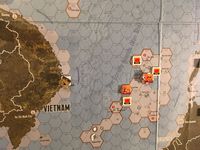
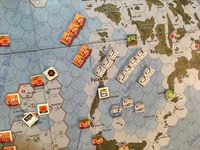
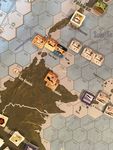
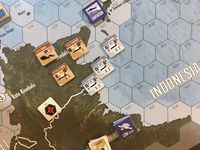
 Opis
Opis
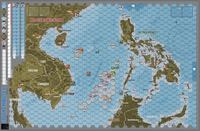
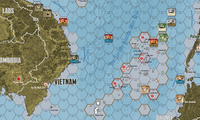
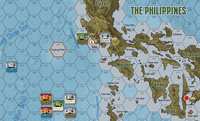
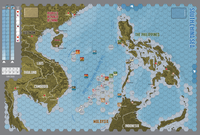
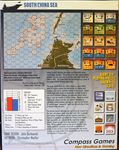
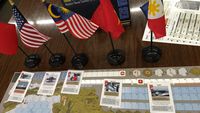
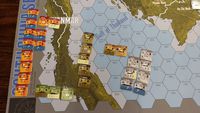
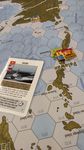
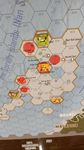
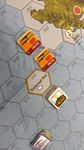
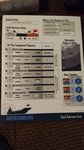
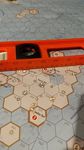
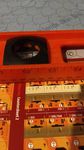
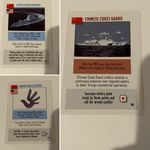
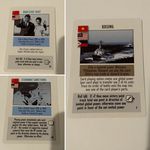
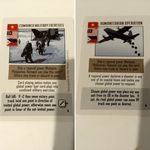
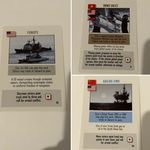
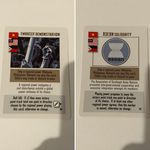
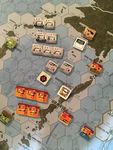
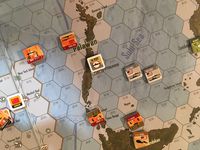
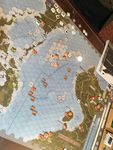
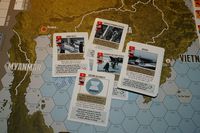
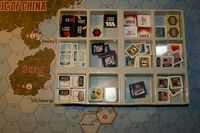
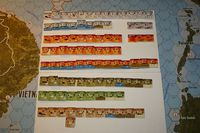
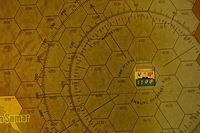
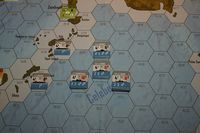
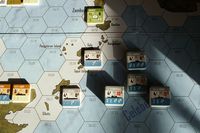
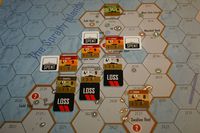
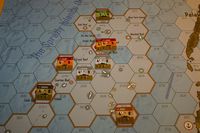
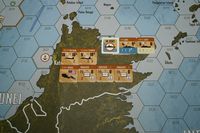
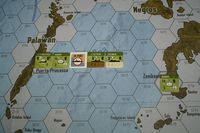
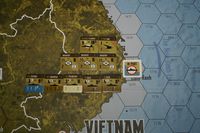
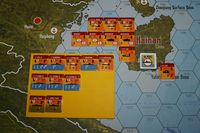
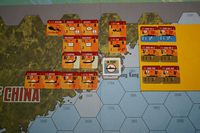
South China Sea (SCS) zapewnia zintegrowaną symulację polityczno-militarną przyszłych napięć i konfliktów wokół Morza Południowochińskiego. Gracze przyjmują role Chin, Stanów Zjednoczonych, Malezji, Filipin i Wietnamu. Symulują obecne napięcia polityczne poprzez grę w karty i strukturalne negocjacje związane z wydarzeniami ze świata rzeczywistego, starając się "przesunąć wskaźnik" na swoją stronę. Niestety, karty, które mają największą szansę na przesunięcie tego wskaźnika, takie jak Chińska Straż Przybrzeżna i Amerykańskie Ćwiczenie Wolności Nawigacji, są również najbardziej prawdopodobne, aby wywołać konflikt zbrojny. Jeśli i kiedy to się stanie, gra przechodzi do tradycyjnego formatu heksagonalnego i żetonowego na mapie w skali 45 mil morskich (nmi) na hex i tury trwające od 3 do 7 godzin.
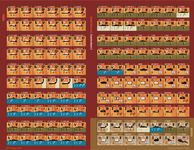
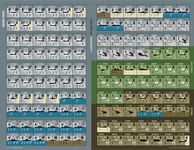
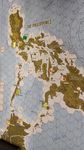
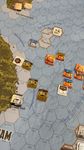
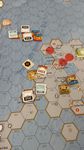
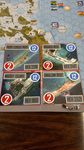
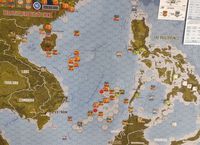
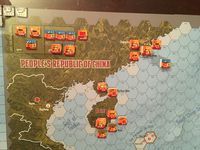
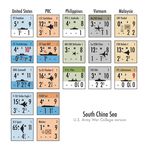
SCS jest pochodną Breaking the Chains (BtC), ale jest zdecydowanie inną grą. Jak się różnią? SCS zaczyna się od tur politycznych, które mogą prowadzić do zwycięstwa bez konfliktu zbrojnego. W przypadku konfliktu zbrojnego SCS koncentruje się bardziej na Morzu Południowochińskim (45 nmi na hex) niż na większym regionie Azji Południowo-Wschodniej BtC (70 nmi na hex) i wykorzystuje mniejsze jednostki, takie jak eskadry powietrzne, pary statków i bataliony lądowe. Dlatego mapa SCS pokazuje więcej szczegółów, ale mniej terytorium. SCS stosuje uproszczone wersje struktury tur i mechanizmów ataku z BtC, które przyspieszają grę, rezygnując z licznych cykli i ścieżek ataku. SCS zwrócił uwagę na ergonomię, umieszczając wszystkie wyniki po jednej stronie każdego żetonu – mniej przewracania. Najważniejsze jest to, że SCS pozwala jednostkom morskich poruszać się o więcej niż jeden hex w jednej turze, ale zawiera mechanizm oparty na stealth, który umożliwia drugiej stronie "sprawdzić" ruchy wielohexowe, aby stworzyć bardziej dynamiczne, zmienne i niestabilne środowisko. Ta ostatnia zmiana umożliwia szybkie ruchy na odległość, ale zapobiega bliskim statkom "skakaniu" przez strefę rażenia nowoczesnych pocisków przeciwokrętowych (ASCM), w niektórych przypadkach 290 nmi. I każda tura ma opcję fazy negocjacji z pewną strukturą, aby poprawić grę polityczną, jeśli jest to pożądane.
 Dalsze informacje
| Mechanika: | |
| Kategorie: | Wojna |
| Alternatywne nazwy: | |
| BARCODE: | ????????? |
| Obejrzano go 2783__TOK_1__ razy | |
Opis
South China Sea (SCS) zapewnia zintegrowaną symulację polityczno-militarną przyszłych napięć i konfliktów wokół Morza Południowochińskiego. Gracze przyjmują role Chin, Stanów Zjednoczonych, Malezji, Filipin i Wietnamu. Symulują obecne napięcia polityczne poprzez grę w karty i strukturalne negocjacje związane z wydarzeniami ze świata rzeczywistego, starając się "przesunąć wskaźnik" na swoją stronę. Niestety, karty, które mają największą szansę na przesunięcie tego wskaźnika, takie jak Chińska Straż Przybrzeżna i Amerykańskie Ćwiczenie Wolności Nawigacji, są również najbardziej prawdopodobne, aby wywołać konflikt zbrojny. Jeśli i kiedy to się stanie, gra przechodzi do tradycyjnego formatu heksagonalnego i żetonowego na mapie w skali 45 mil morskich (nmi) na hex i tury trwające od 3 do 7 godzin.
SCS jest pochodną Breaking the Chains (BtC), ale jest zdecydowanie inną grą. Jak się różnią? SCS zaczyna się od tur politycznych, które mogą prowadzić do zwycięstwa bez konfliktu zbrojnego. W przypadku konfliktu zbrojnego SCS koncentruje się bardziej na Morzu Południowochińskim (45 nmi na hex) niż na większym regionie Azji Południowo-Wschodniej BtC (70 nmi na hex) i wykorzystuje mniejsze jednostki, takie jak eskadry powietrzne, pary statków i bataliony lądowe. Dlatego mapa SCS pokazuje więcej szczegółów, ale mniej terytorium. SCS stosuje uproszczone wersje struktury tur i mechanizmów ataku z BtC, które przyspieszają grę, rezygnując z licznych cykli i ścieżek ataku. SCS zwrócił uwagę na ergonomię, umieszczając wszystkie wyniki po jednej stronie każdego żetonu – mniej przewracania. Najważniejsze jest to, że SCS pozwala jednostkom morskich poruszać się o więcej niż jeden hex w jednej turze, ale zawiera mechanizm oparty na stealth, który umożliwia drugiej stronie "sprawdzić" ruchy wielohexowe, aby stworzyć bardziej dynamiczne, zmienne i niestabilne środowisko. Ta ostatnia zmiana umożliwia szybkie ruchy na odległość, ale zapobiega bliskim statkom "skakaniu" przez strefę rażenia nowoczesnych pocisków przeciwokrętowych (ASCM), w niektórych przypadkach 290 nmi. I każda tura ma opcję fazy negocjacji z pewną strukturą, aby poprawić grę polityczną, jeśli jest to pożądane.
Dalsze informacje
| Mechanika: | |
| Kategorie: | Wojna |
| Alternatywne nazwy: | |
| BARCODE: | ????????? |
| Obejrzano go 2783__TOK_1__ razy | |

UWAGA! Nie nadaje się dla dzieci poniżej 3 roku życia. Zawiera małe części, które mogą zostać połknięte lub wdychane.