

-
Choisir la langue du site
-
 Deutsch
DE
Deutsch
DE
-
 English
EN
English
EN
-
 Français
FR
Français
FR
-
 Español
ES
Español
ES
-
 Italiano
IT
Italiano
IT
-
 Polski
PL
Polski
PL
-
 Português
PT
Português
PT
-
Pays vers lequel expédier


-
Choisir la langue du site
-
Deutsch
DE
-
English
EN
-
Français
FR
-
Español
ES
-
Italiano
IT
-
Polski
PL
-
Português
PT
-
Pays vers lequel expédier


 (+39) 320 073 4588
 CONTACTEZ-NOUS PAR EMAIL
-
Choisir la langue du site
-
Deutsch
DE
-
English
EN
-
Français
FR
-
Español
ES
-
Italiano
IT
-
Polski
PL
-
Português
PT
-
Pays vers lequel expédier

-
Menus

-
Rangs

-
Jeu de société

-
RPG

-
Party

-
CG

-
Accessoires

-
Légo

-
Livre

-
Bandes dessinees




|
|
|
|
1-4
40'
10
Aucun texte nécessaire dans le jeu
|
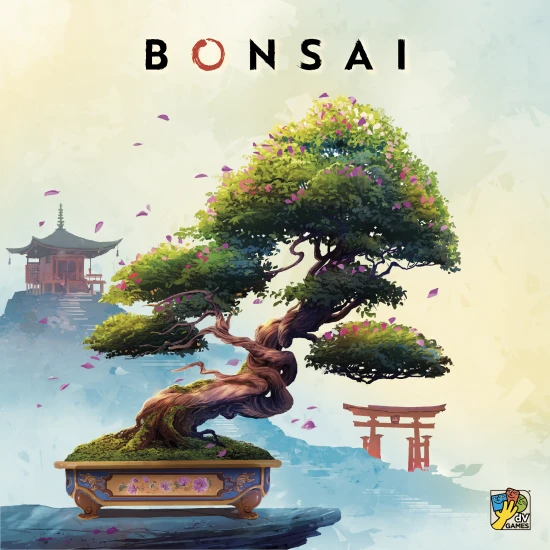
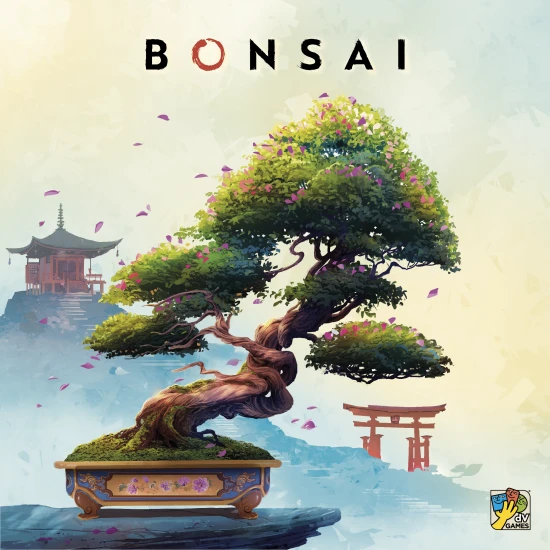
Bonsai
Éditeur: KOSMOS
 Voulez-vous vendre votre copie de ce jeu ?

Utilisez notre marché utrade !
Bonsai
Contactez-nous
Partager sur
 Disponible dans un entrepôt externe.
Expédition sous environ 3/7 jours
-15%
37,36€
Prix de vente
IT
4,49€
 Descriptif
Le terme japonais "bonsai" signifie "planté dans un pot".
Un bonsaï est une œuvre d'art vivante, une plante miniature parfaite, identique à tous égards à son homologue de taille normale, mais plusieurs fois plus petite.
Dans Bonsai, les joueurs prennent le rôle de maîtres bonsaï experts désireux de faire pousser leur propre bonsaï.
Celui qui cultive la meilleure plante sera nommé pour montrer son Bonsai dans les jardins impériaux.
À votre tour, choisissez et effectuez l'une de ces deux actions : méditer ou cultiver.
Si vous méditez, choisissez l'une des cartes face visible sur le plateau et prenez-la, ainsi que toutes les tuiles Bonsai représentées sous la carte que vous tirez.
Si vous cultivez, vous pouvez placer dans votre Bonsai les tuiles qui sont dans votre réserve personnelle. Vous pouvez placer autant de tuiles que le nombre total de symboles représentés sur votre tuile Seishi et sur toutes ou certaines de vos cartes Croissance. Chaque symbole vous permettra de placer une tuile du type correspondant.
Lors du tour où votre bonsaï correspond ou dépasse les exigences d'une tuile Objectif qui est encore au milieu de la table (c'est-à-dire que la tuile Objectif n'a pas encore été réclamée par un joueur), vous devez immédiatement choisir si vous souhaitez réclamer cette tuile ou si vous souhaitez y renoncer afin d'essayer d'atteindre une tuile Objectif plus difficile.
Lorsque la dernière carte du paquet est révélée, la fin du jeu est déclenchée. Chaque tuile dans votre bonsaï vaut un certain nombre de points.
Dans le jeu en solo, vous pouvez essayer les Scénarios Supplémentaires qui modifient certaines règles et objectifs, et finalement essayer de battre le Défi de l'Empereur.
Un bonsaï est une œuvre d'art vivante, une plante miniature parfaite, identique à tous égards à son homologue de taille normale, mais plusieurs fois plus petite.
Dans Bonsai, les joueurs prennent le rôle de maîtres bonsaï experts désireux de faire pousser leur propre bonsaï.
Celui qui cultive la meilleure plante sera nommé pour montrer son Bonsai dans les jardins impériaux.
À votre tour, choisissez et effectuez l'une de ces deux actions : méditer ou cultiver.
Si vous méditez, choisissez l'une des cartes face visible sur le plateau et prenez-la, ainsi que toutes les tuiles Bonsai représentées sous la carte que vous tirez.
Si vous cultivez, vous pouvez placer dans votre Bonsai les tuiles qui sont dans votre réserve personnelle. Vous pouvez placer autant de tuiles que le nombre total de symboles représentés sur votre tuile Seishi et sur toutes ou certaines de vos cartes Croissance. Chaque symbole vous permettra de placer une tuile du type correspondant.
Lors du tour où votre bonsaï correspond ou dépasse les exigences d'une tuile Objectif qui est encore au milieu de la table (c'est-à-dire que la tuile Objectif n'a pas encore été réclamée par un joueur), vous devez immédiatement choisir si vous souhaitez réclamer cette tuile ou si vous souhaitez y renoncer afin d'essayer d'atteindre une tuile Objectif plus difficile.
Lorsque la dernière carte du paquet est révélée, la fin du jeu est déclenchée. Chaque tuile dans votre bonsaï vaut un certain nombre de points.
Dans le jeu en solo, vous pouvez essayer les Scénarios Supplémentaires qui modifient certaines règles et objectifs, et finalement essayer de battre le Défi de l'Empereur.
 Informations supplémentaires
| Mécanique: | Placement des tuiles Reconnaissance de formes Solo / Gioco del solitario Bonus a fine partita Drafting aperto |
| Catégories: | Casse-tête Ambiente |
| Noms alternatifs: | |
| BARCODE: | 4002051684259 |
| Cela a été vu 297__PH_1__ fois | |
Descriptif
Le terme japonais "bonsai" signifie "planté dans un pot".
Un bonsaï est une œuvre d'art vivante, une plante miniature parfaite, identique à tous égards à son homologue de taille normale, mais plusieurs fois plus petite.
Dans Bonsai, les joueurs prennent le rôle de maîtres bonsaï experts désireux de faire pousser leur propre bonsaï.
Celui qui cultive la meilleure plante sera nommé pour montrer son Bonsai dans les jardins impériaux.
À votre tour, choisissez et effectuez l'une de ces deux actions : méditer ou cultiver.
Si vous méditez, choisissez l'une des cartes face visible sur le plateau et prenez-la, ainsi que toutes les tuiles Bonsai représentées sous la carte que vous tirez.
Si vous cultivez, vous pouvez placer dans votre Bonsai les tuiles qui sont dans votre réserve personnelle. Vous pouvez placer autant de tuiles que le nombre total de symboles représentés sur votre tuile Seishi et sur toutes ou certaines de vos cartes Croissance. Chaque symbole vous permettra de placer une tuile du type correspondant.
Lors du tour où votre bonsaï correspond ou dépasse les exigences d'une tuile Objectif qui est encore au milieu de la table (c'est-à-dire que la tuile Objectif n'a pas encore été réclamée par un joueur), vous devez immédiatement choisir si vous souhaitez réclamer cette tuile ou si vous souhaitez y renoncer afin d'essayer d'atteindre une tuile Objectif plus difficile.
Lorsque la dernière carte du paquet est révélée, la fin du jeu est déclenchée. Chaque tuile dans votre bonsaï vaut un certain nombre de points.
Dans le jeu en solo, vous pouvez essayer les Scénarios Supplémentaires qui modifient certaines règles et objectifs, et finalement essayer de battre le Défi de l'Empereur.
Un bonsaï est une œuvre d'art vivante, une plante miniature parfaite, identique à tous égards à son homologue de taille normale, mais plusieurs fois plus petite.
Dans Bonsai, les joueurs prennent le rôle de maîtres bonsaï experts désireux de faire pousser leur propre bonsaï.
Celui qui cultive la meilleure plante sera nommé pour montrer son Bonsai dans les jardins impériaux.
À votre tour, choisissez et effectuez l'une de ces deux actions : méditer ou cultiver.
Si vous méditez, choisissez l'une des cartes face visible sur le plateau et prenez-la, ainsi que toutes les tuiles Bonsai représentées sous la carte que vous tirez.
Si vous cultivez, vous pouvez placer dans votre Bonsai les tuiles qui sont dans votre réserve personnelle. Vous pouvez placer autant de tuiles que le nombre total de symboles représentés sur votre tuile Seishi et sur toutes ou certaines de vos cartes Croissance. Chaque symbole vous permettra de placer une tuile du type correspondant.
Lors du tour où votre bonsaï correspond ou dépasse les exigences d'une tuile Objectif qui est encore au milieu de la table (c'est-à-dire que la tuile Objectif n'a pas encore été réclamée par un joueur), vous devez immédiatement choisir si vous souhaitez réclamer cette tuile ou si vous souhaitez y renoncer afin d'essayer d'atteindre une tuile Objectif plus difficile.
Lorsque la dernière carte du paquet est révélée, la fin du jeu est déclenchée. Chaque tuile dans votre bonsaï vaut un certain nombre de points.
Dans le jeu en solo, vous pouvez essayer les Scénarios Supplémentaires qui modifient certaines règles et objectifs, et finalement essayer de battre le Défi de l'Empereur.
Informations supplémentaires
| Mécanique: | Placement des tuiles Reconnaissance de formes Solo / Gioco del solitario Bonus a fine partita Drafting aperto |
| Catégories: | Casse-tête Ambiente |
| Noms alternatifs: | |
| BARCODE: | 4002051684259 |
| Cela a été vu 297__PH_1__ fois | |


ATTENTION ! Ne convient pas aux enfants de moins de 3 ans. Il contient de petites pièces qui pourraient être avalées ou inhalées.